Brooke USA Responds to Crisis: Lifesaving Aid for Working Equines in Northern Colombia Flood Zones
Together we raised more than $20,000 to help equines and families affected by the floods.
Thank you!
$20,000 Raised for Colombia Flood Relief — Thanks to You
Floodwaters in northern Colombia devastated communities — but thanks to the generosity of compassionate supporters and the power of two matching gifts, Brooke USA Foundation is proud to share that $20,000 has been raised to support urgent disaster relief efforts for working equines and the families who depend on them.
Torrential rains and historic flooding turned large parts of northern Colombia into vast disaster zones, placing thousands of working horses, donkeys, and mules at risk. In response, Brooke USA quickly mobilized support for on-the-ground partner Fundación Arrieros Colombia — and you answered the call.
Because of this incredible support, critical funding is now helping deliver:
Emergency veterinary care and life-saving treatment
Feed and clean water for displaced and vulnerable animals
Essential supplies for equines and the families who rely on them
The impact of the flooding has been severe. The Government of Colombia declared a national emergency after more than 130 incidents across 181 municipalities. Thousands of homes were destroyed, and in regions like Córdoba, farmland and infrastructure remain submerged. More than 5,500 animals — including working equines — were affected.
For these animals, the dangers were immediate and life-threatening. Many were trapped in contaminated floodwaters without access to food or dry ground. Hidden debris caused injuries, while exposure to disease and exhaustion put countless lives at risk.
And yet, through your support, help arrived.
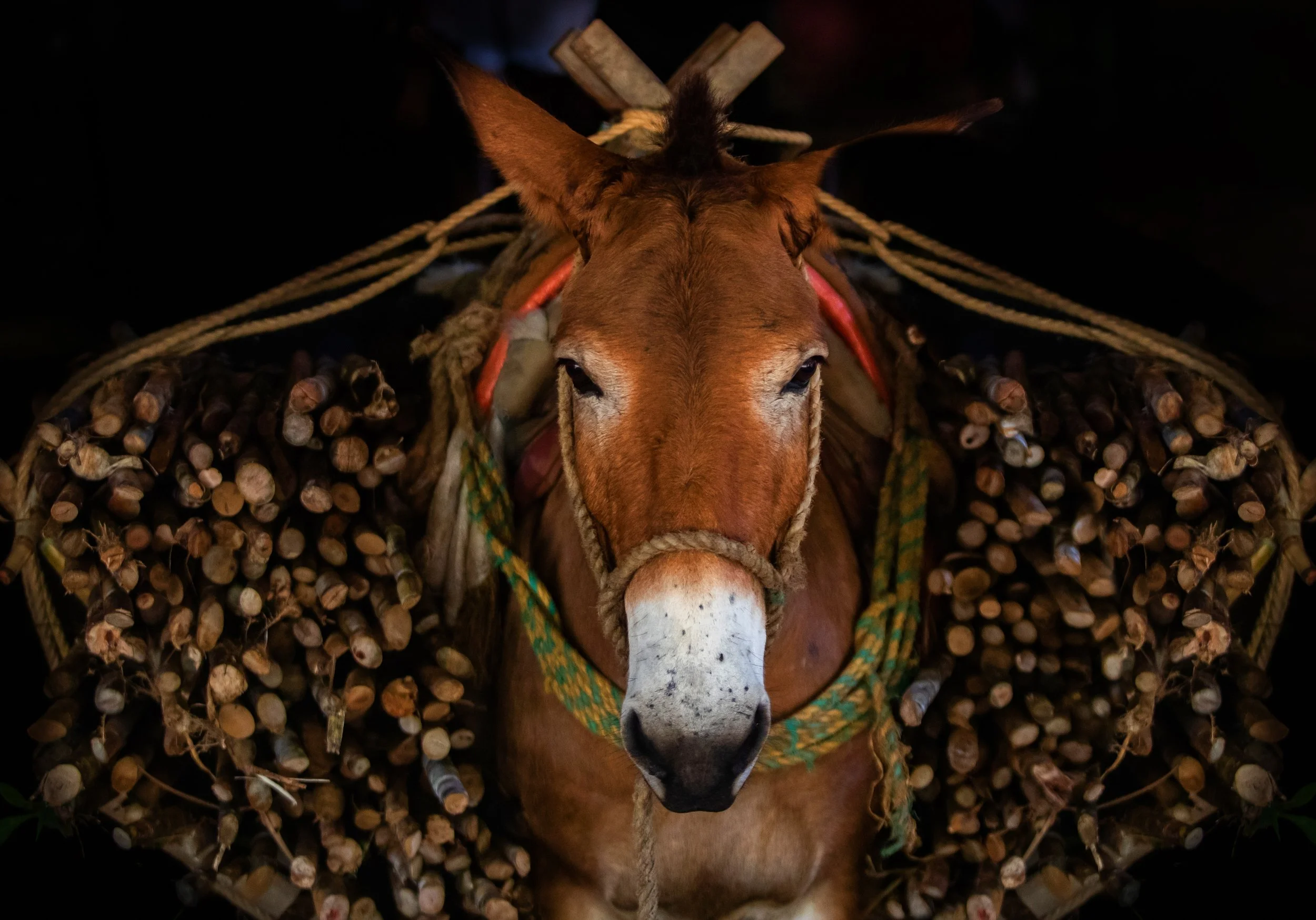
In northern Colombia, working equines are essential to daily life. They plow fields, transport crops, and connect rural families to markets. For many arrieros — traditional horse handlers — their animals are not only a livelihood, but a way of life. When an equine suffers, an entire family’s stability is at risk.
This is why your support matters so deeply.
“Disasters like this devastate entire communities, but working equines often suffer silently,” said Julia Wilson, DVM, Vice Chair of the Board of Directors of Brooke USA. “Thanks to the generosity of our donors, we are able to respond quickly — helping both animals and the families who depend on them begin to recover.”
Brooke USA has a long history of responding to disasters where working equines are essential, including floods in Pakistan, the earthquake in Morocco, wildfires in the United States, and hurricanes in the Caribbean. This latest effort in Colombia continues that commitment — and would not have been possible without you.
While this emergency campaign has reached its goal, the need for equine welfare support around the world continues.
Your compassion is changing lives — for animals and people alike.
You Can Be the Lifeline They Need
This is a critical moment. Working equines are suffering — and families who depend on them cannot recover without your support.