
They Carry So Much.
Help Them Carry On.
In Gaza, working donkeys
are carrying more than ever.
With fuel and transportation increasingly difficult to access, donkeys and horses have become an essential means of moving water, food, belongings and people. For the families and communities who depend on them, keeping these animals healthy is not simply an act of kindness—it is essential animal welfare.
There are an estimated 2,500 donkeys in Gaza, about half of their pre-war population, and they have been without proper food, often rummaging food by eating trash, walking over harsh rubble, and lacking basic care for years now. The situation for them is dire—the only improvement is that aid is now able to get in.
Brooke USA is supporting veterinary care for working equines through Safe Haven for Donkeys, a reputable UK-based NGO working in Egypt, Israel, the West Bank and Gaza, helping provide the treatment, medicines and resources these animals desperately need.

A Lifeline on Four Legs
Working donkeys are remarkably resilient. They carry heavy loads, navigate difficult conditions and continue working when other forms of transportation are unavailable.
But resilience does not mean they do not suffer.
Without access to proper nutrition, veterinary treatment and basic preventive care, working animals can quickly develop painful injuries, infections, parasites and other health problems, particularly in Gaza they face shrapnel wounds and other war-related injuries.


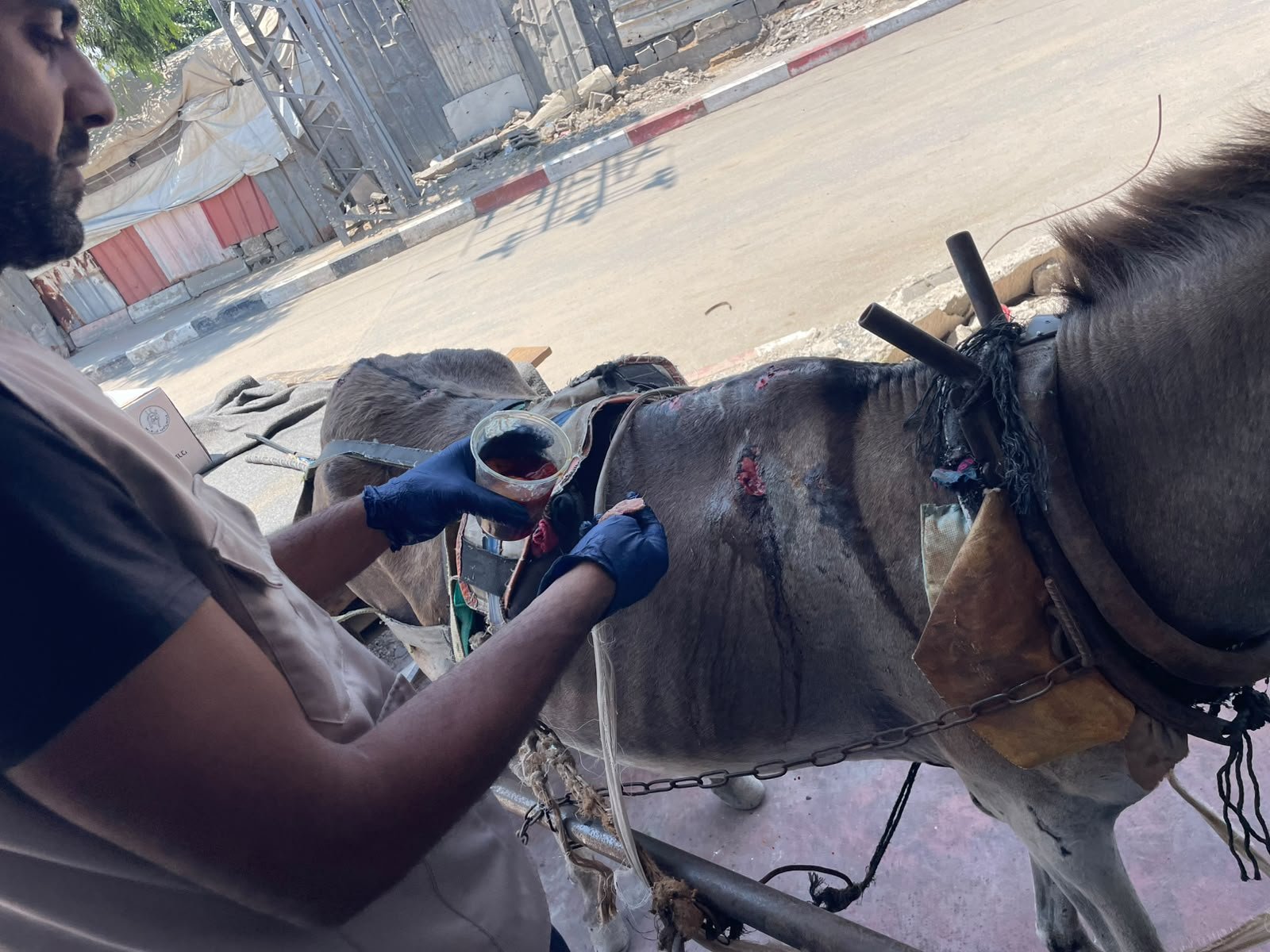
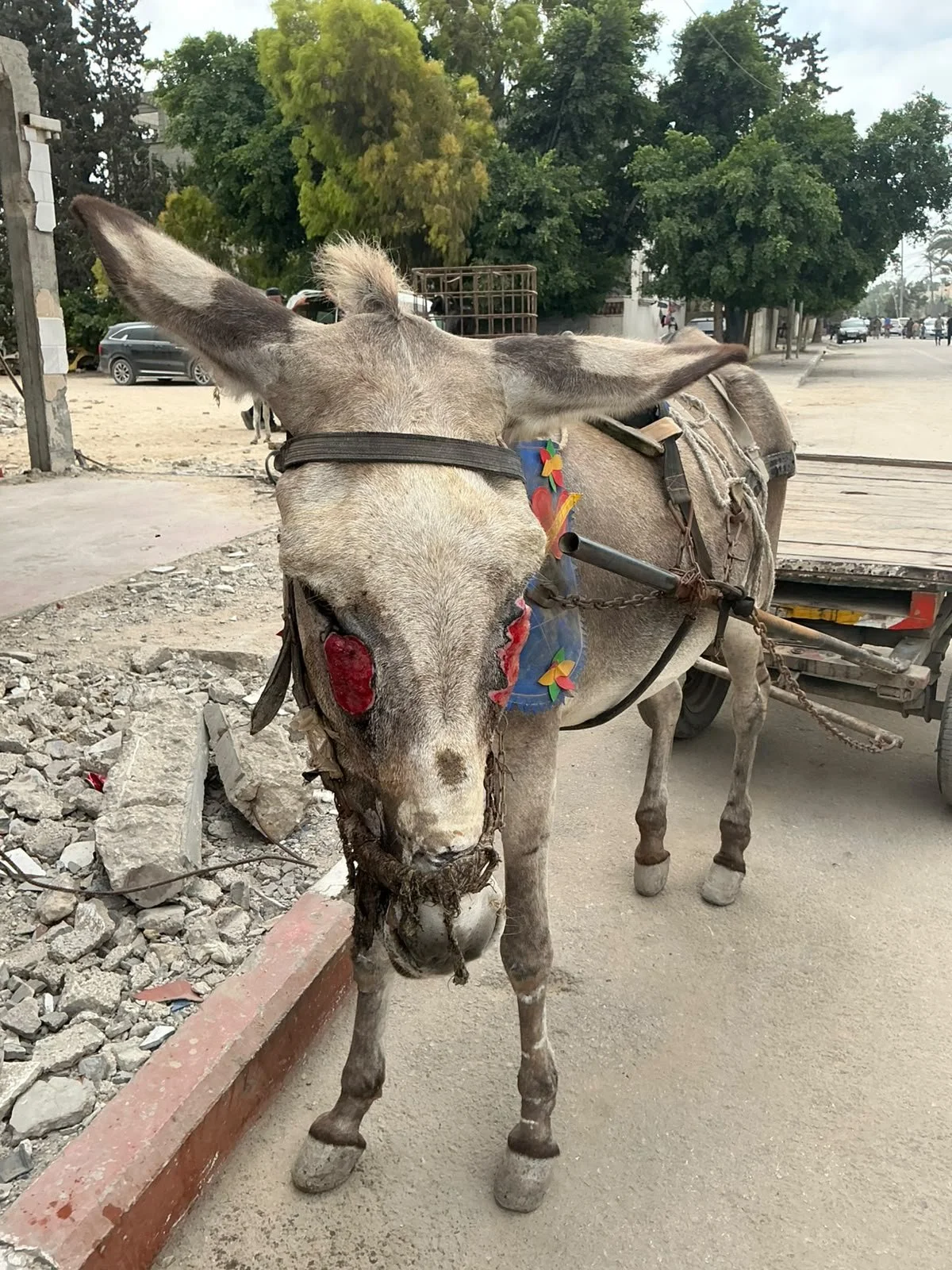
Safe Haven for Donkeys has operated a mobile veterinary clinic in Gaza since March 2024, bringing veterinary care directly to working donkeys, horses and other equines.
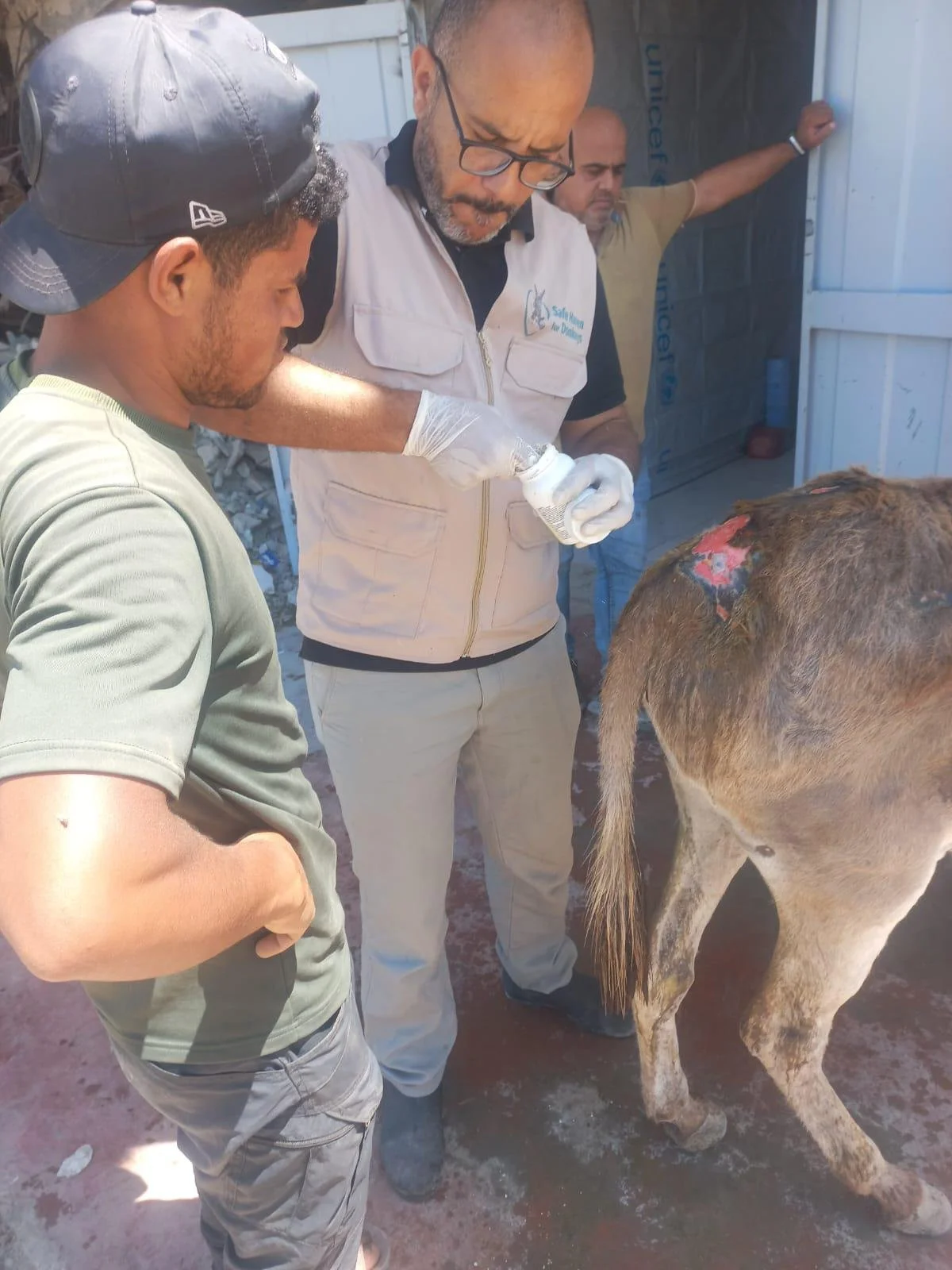
Meet Dr. Thabet
Dr. Thabet is a qualified veterinary surgeon and operates Thabet Centre for Veterinary Services, a practice founded by his father, Mohammed Thabet, also a veterinary surgeon.
Before the war, Dr. Thabet and his father operated a successful veterinary practice in Gaza City, caring for both companion animals and large animals, including livestock. Their practice also provided laboratory services to other veterinarians in the area.
Sadly, their extensive clinic was completely destroyed at the start of the war, bringing their veterinary services to a halt.
Today, Dr. Thabet is helping put his veterinary expertise back to work for animals in need.
Veterinary Care Without a Financial Barrier
For many owners, paying for veterinary treatment is simply not possible under the current circumstances.
Safe Haven for Donkeys covers the cost of treatments provided by Dr. Thabet, allowing working donkeys and horses to receive veterinary care at no cost to their owners.
This means that an animal's ability to receive treatment does not depend on whether its owner can afford to pay.
It is a practical, compassionate approach to animal welfare: find the animals who need help, provide the veterinary care they need, and remove the financial barrier that could otherwise prevent treatment.
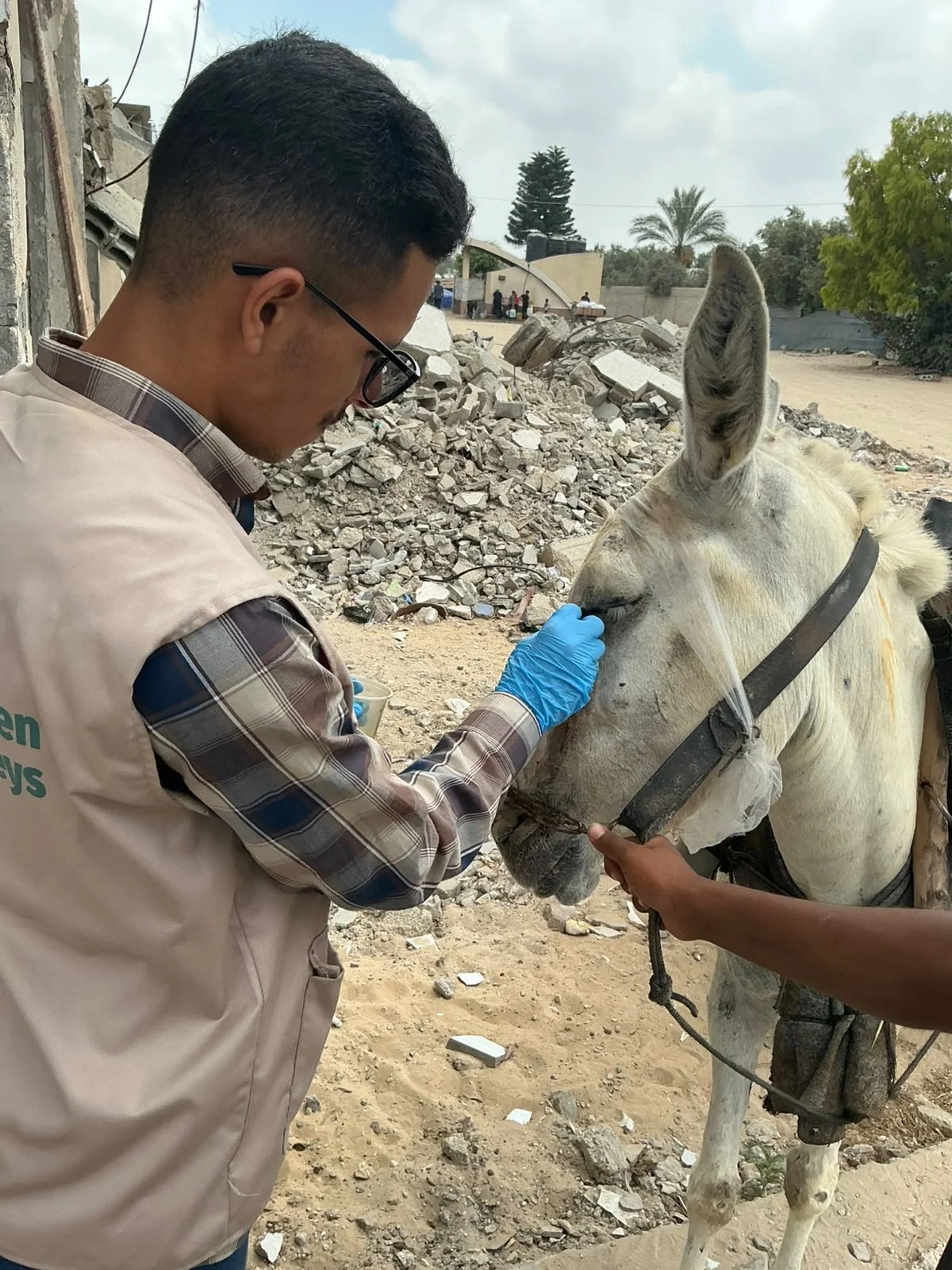
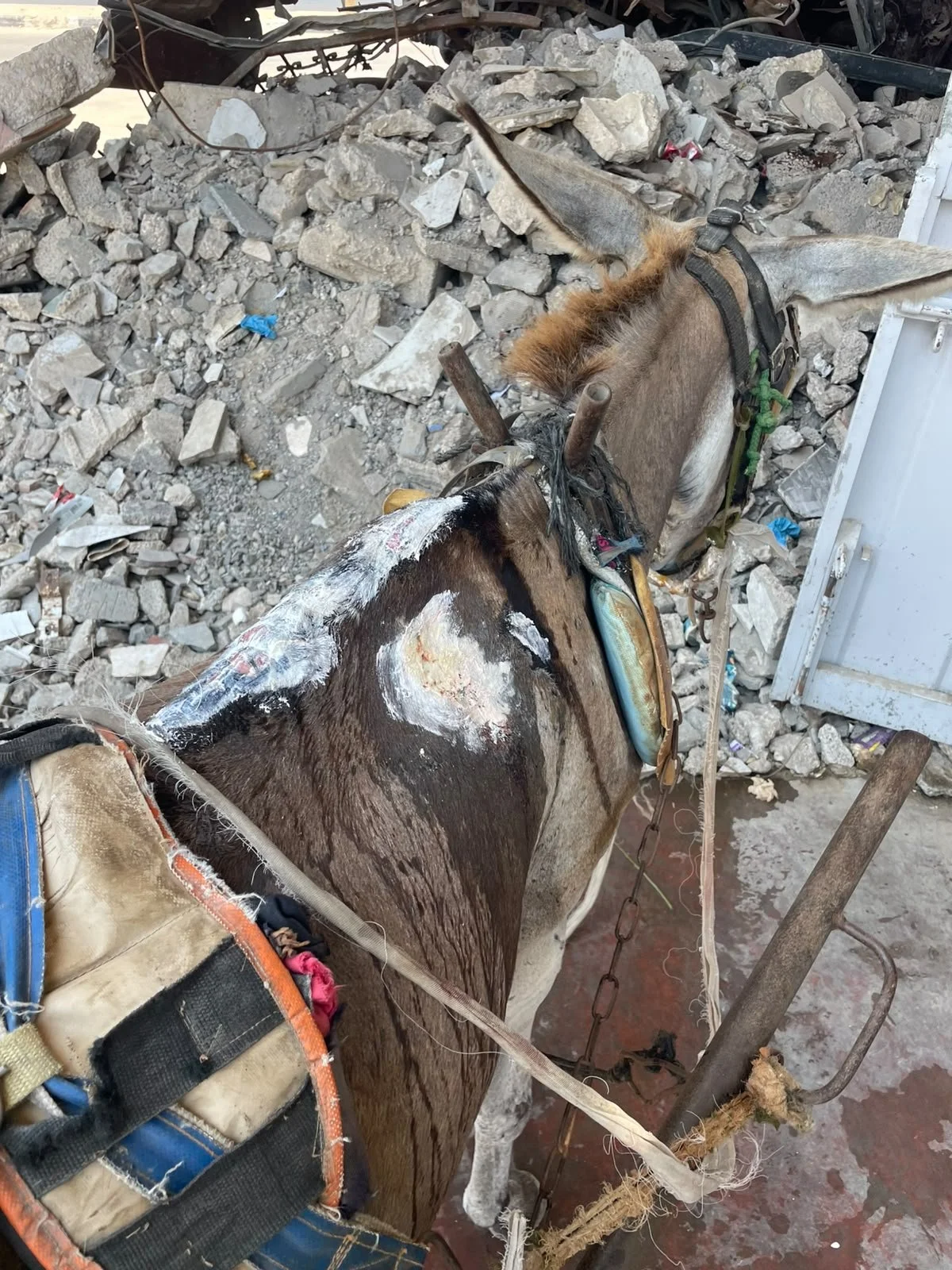


Your support can help keep that care moving.
Care Where It Is Needed Most
The veterinary team working in Gaza provides essential treatment to working equines, while efforts are also being made to provide animal food and veterinary supplies.
The goal is straightforward:
Help working animals survive, remain healthy and continue to receive the care they deserve.
Your Gift Will Make a Difference
Your donation will help support animal welfare efforts, including:
Veterinary treatment for working donkeys and horses
Essential veterinary medicines and supplies
Animal food and nutritional support
Mobile veterinary services that bring care directly to working animals
Every gift helps provide compassionate, practical care to animals facing extraordinary circumstances.
Help Us Care for
Gaza's Working Donkeys
They carry water.
They carry food.
They carry belongings.
They carry people.
Now, they need someone to carry the care.
Your gift will help Brooke USA support veterinary care and animal welfare for working equines in Gaza.
Questions About Funded Work in Gaza
-
Working donkeys and horses are an essential source of transportation for many communities. When fuel and vehicles are unavailable or unaffordable, these animals may be relied upon to transport water, food, belongings and people.
-
Animal welfare and human welfare are closely connected. Families who rely on working animals depend on those animals for transportation and essential daily needs. Keeping them healthy helps both the animals and the people who depend on them.
-
Safe Haven for Donkeys is a UK-registered animal welfare charity established in 2000. The organization provides sanctuary for unwanted donkeys and operates veterinary programs providing care to working donkeys, mules and horses.
-
Safe Haven for Donkeys launched its mobile veterinary clinic in Gaza in March 2024, following two years of planning and preparation. They have extensive experience working in the area due to their other projects in Egypt, Israel, and the West Bank.
-
Yes. Dr. Thabet is a qualified veterinary surgeon. He operates Thabet Centre for Veterinary Services, founded by his father, Dr. Mohammed Thabet, who is also a veterinary surgeon.
-
Dr. Thabet and his father operated a successful veterinary practice in Gaza City for many years, providing services to companion animals and large animals, including livestock. The practice also provided laboratory services to other veterinarians.
The clinic was destroyed at the start of the war, preventing them from continuing their veterinary services.
-
Dr. Thabet brings his professional veterinary experience and knowledge of the local community to the program. Safe Haven for Donkeys supports the cost of treatments he provides to working donkeys and horses.
-
Working animal owners are not required to pay for treatments provided through the program.
Safe Haven for Donkeys covers the cost of treatment directly with Dr. Thabet because the organization recognizes that, under these circumstances, many owners cannot afford veterinary care for their animals.
-
Working animals are an essential resource for many families. When owners cannot afford veterinary treatment, animals may go without care even when they are sick, injured or suffering.
Removing the financial barrier allows veterinary professionals to treat animals based on their need rather than their owner's ability to pay.
-
Donations to the program help support veterinary treatment and other animal welfare needs, including veterinary medicines, equipment, and animal food.
Safe Haven for Donkeys reports that its accounts are independently audited each year and that charitable funds are subject to financial oversight.
-
Safe Haven for Donkeys only sends money overseas in small amounts and they are processed by a third-party bank in Israel who then delivers the funds directly to Dr. Thabet.
-
No. The focus of this initiative is animal welfare.
Brooke USA is supporting veterinary care for working equines through Safe Haven for Donkeys because these animals need compassionate, professional care—the core of Brooke USA’s mission.
Our focus is the animals, and our concern is simple: animals should not suffer unnecessarily, and working animals deserve compassionate care wherever they are.
Support the Working Donkeys of Gaza
They cannot speak for themselves.
We can.